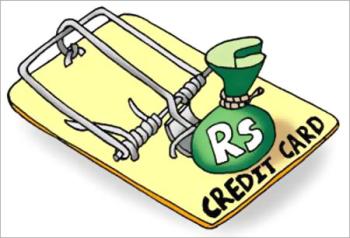
How to remove Credit Card Defaulter's name from CIBIL Report

Cibil credit card amounts write off is a condition, which happens after continuous 180 days of default of your credit card dues. Banks write offs your credit card account if you do not make the payment, which is due on your card for 6 months.
However, you will still keep on receiving calls from the collection agency but the account is written is a write off account. It indicates the bad history of a borrower and it stays in your credit report for 7 years according to the rules.

*Credit Card Default - Costs 7 year punishment


Here is how you can remove a credit card write off from your cibil report:


  • Well, a write off stays in your credit report for 7 years; but the banks have the power to upgrade any debt three times every seven years and this means that it can actually stay in your credit report for complete 21 years. But there is a way out to this and one can improve his/her cibil report by getting rid of this.
  • The moment you figure that you have a write off account in your credit report, you must immediately contact your lender. Your lender would surely help you if you are showing interest in making the payment and would not treat you badly or as a bad customer. Get the total amount due on you r card calculated with the help of your lender.
  • You may require presenting the last monthly bill statements received and some other details of your credit card. Follow the instructions and give proper details needed. Your bank will now give the exact figure of amount that you owe to the bank.
  • Pay this amount and get a no due certificate or payment receipt from your lender. The process is not over yet. You will now have to call up your bank again and request them to update about the full and final payment to the credit bureau. You bank will now update this to cibil and within a span of 40 days, the write off will get cleared from your cibil report and the account would be shown as a normal closed account.
  • You can contact Cibil directly also, if your bank does not co operate in updating the status to cibil and tell them about your settlement by showing the payment receipt. After some clarifications and enquiries from the lender, the credit bureau will update the same in your report and your report will be clean.

Features of CIBIL Credit Report

The Main Features Of Credit Report Are
  • Personnel Information - Name, current residential address and company’s address in case of a firm.
  • Pan Card Number, Driving License Number, Passport Number and Voters Id Number.
  • Date of Birth and Date of Incorporation of the firm.
  • Information about all the credit facilities availed by the borrower from any of the member institutions. This includes details for all the loans, credit cards etc.
  • Repayment status of all the current accounts as well as closed accounts.
  • Default details if any in any of the account.
  • Amount overdue on a particular account.
  • No of enquiries made by the member banks in past 12 months.
You can see now how the credit history is reflected in the cibil report. It contains all the information that is mentioned in the features of the report.


You can not check your cibil report directly. Credit Bureau does not provide a credit report to any individual and only member institutions can view your report, but here are some ways by which you can have a access to your report.
    1.    If you have applied for a loan or credit card with any of the member banks of cibil, then you can approach them to send you a copy of your credit report. You can also go and collect a copy from the bank on your own.
    2.    You can apply for a credit facility from any of the bank which is a member of cibil. The bank will get your credit reportgenerated to know the recent and current status of your payment record. You can now ask the lender to give a copy of this report to you.
    3.    You can take the 9 digit control number from the bank in which you have submitted your loan application and approach cibil by calling up on the help desk number and ask for the information.


back to CIBIL articles

Credit Card Payment Due Date

According to a senior banking ombudsman official, card customers are “unofficially’’ given “a grace period’’ of about three days after their due date if they choose to make a cheque payment, to allow the amount to get credited into their account. In other words, no late-payment charges are levied. 

In sharp contrast, heads of leading card-issuing banks say their terms and conditions, bill statements and websites clearly mention that cheque payment must be made three to five days (in case of outstation cheques) before the due date so that it comfortably reaches their account by the deadline.

Now, suppose there is a string of bank holidays and weekends between cheque deposit and its clearance. If a cheque does not get cleared for reasons over which a consumer has no control, he/ she would still end up paying penal charges.

A senior Mumbai banker admits that due date-related disputes are common and consumers have been demanding clarity on the issue. K Unnikrishnan, deputy chief executive, Indian Banks’ Association, seconds that there is a need to bring in uniformity in cheque deposit norms with reference to due date.

Till the time banks come up with clear guidelines, customers are advised to pay way ahead of the stated due date. Besides, if they end up paying closer to the payment deadline, they must avoid depositing their cheques in drop boxes.

As mentioned earlier, the Reserve Bank of India rules specify that banks must accept all cheques at counters and provide an acknowledgment receipt to the customer. This would serve as a proof of deposit in case of a dispute, if any.

Alternatively, banks are increasingly introducing “cheque deposit machines, which work like a screener and give you a receipt, which is a replica of your cheque with all the details,’’ says a bank executive. Other than the convenience of not having to queue up at a counter, they provide the relevant proof. Consumers must know that dispute resolution relies on documentary evidence.

Credit Card Protection Tips


Don't have enough cash in hand to buy the latest Coby MP4 Player that you always wanted to? No problem. Use one of the several credit cards that you own from various abanks.

Of course using a credit card to buy goods and services you desire is indeed the most convenient way of shopping for millions of Indians, more so during the festive season, there are a few things you should know before you actually do that.

Remember that a credit card is an unsecured loan advanced by a bank or financial institution after ensuring that only those who meet certain credit parameters are qualified to use the credit card.

Here are a few MUST KNOWs before you start using your credit cards.

1. Always read the terms and conditions before using the credit card because once you use the credit card it is assumed that you have accepted the same.

2. A card is usually issued for two years and the annual fee is waived off only for the first year. The second year fee is usually charged and if you do not wish to pay this fee, you should cancel the card before using it in he second year because using it indicates that you have agreed to paying the second year's subscription.

3. 'Lifetime free credit cards' is a new trend in the industry and before opting for one you should check with the bank if all annual fees are indeed being waived off.

4. Always try and pay the entire amount outstanding to the extent possible because all unpaid amounts carry a hefty interest and turns out to be very expensive if you decide to roll your credit.

5. Whenever you make a large purchase on your credit card you will be given an option to pay by EMI (equated monthly installments). It is recommended that you pay the entireamount at the extent possible and avoid the EMI route as it is prohibitively expensive.

6. Avoid borrowing cash on credit card as it turns out to be very expensive because of the interest amount charged. Different banks levy different interest rates on cash borrowed on your credit card. Please ask your credit card issuing bank or company about the interest charged on such transactions.

7. Never choose a credit card for its insurance cover but for its core offering, that is, more than 50 days of interest free credit if you use it smartly.

back to Credit Card Security articles